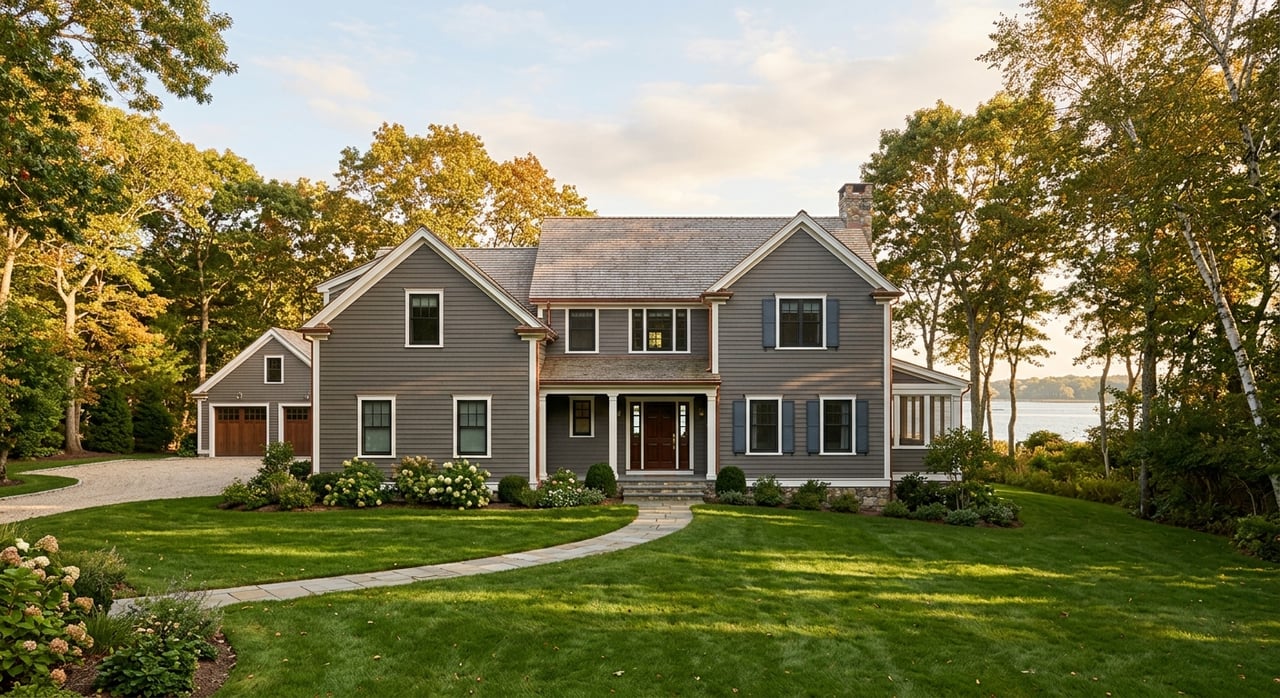
Choosing between riverfront and inland living in Hyde Park comes down to a tradeoff between scenery and setback restrictions on one side, and larger, more flexible lots on the other, since the two settings sit under different zoning rules that shape what a homeowner can build and how the property feels day to day. Hyde Park spreads across roughly 36.6 square miles along the Hudson, and while the whole town shares a median home value near $331,000 and a mean commute of about 29 minutes, the experience of living near the river versus a few miles inland can feel like two different towns.
Summary: Riverfront living in Hyde Park means trail access, protected views, and tighter building rules; inland living means more buildable lot area and easier day-to-day convenience. Neither holds value better across the board, so the right choice depends on how a buyer actually plans to use the property.
Why Zoning Makes This More Than a Lifestyle Question
Hyde Park's riverfront zoning caps impervious coverage at 15% of the lot and requires 50-foot setbacks, rules designed to protect the Hudson's banks and the sightlines from the FDR and Vanderbilt historic sites. Inland zoning is considerably more permissive, with coverage allowances ranging from 50% to 85% depending on the district and shorter setback requirements. That gap matters for anyone planning an addition, a pool, or a detached garage: a riverfront lot that looks spacious on paper may have far less buildable area than an inland lot half its size.
Riverfront Living: Trails, Open Setting, and Character
The riverfront corridor runs along roughly 34 miles of trail, including a 9-mile trunkline, connecting the FDR and Vanderbilt properties and giving riverfront residents walking and biking access most inland neighborhoods don't share. Homes here tend to sit on larger, more open lots by necessity of the zoning, and the character leans toward preserved farmland and historic architecture rather than newer subdivisions.
Local Tip: Ask specifically whether a riverfront listing has documented river access or river views versus simply sitting within the riverfront zoning overlay. The two aren't the same thing, and the price difference between an obstructed view and a true river frontage can be substantial.
Inland Living: Convenience and Daily Access
Inland Hyde Park clusters closer to Route 9 and the commercial corridor near the Culinary Institute of America, trading some scenery for shorter drives to shopping, schools, and the Taconic State Parkway. With roughly 73% of Hyde Park's housing owner-occupied and a median household income near $87,000, inland neighborhoods tend to attract buyers prioritizing commute time and day-to-day errands over acreage or water views.
Housing Feel and Market Stability
Factor | Riverfront | Inland |
|---|---|---|
Typical lot character | Larger, more open, protected views | Smaller to mid-size, more buildable |
Zoning coverage limit | 15% impervious max | 50%–85% depending on district |
Setbacks | 50 feet | Varies, generally shorter |
Trail/river access | Direct | Indirect |
Commute convenience | Moderate | Higher |
Home values across Hyde Park have moved together over the past year, with the town-wide median climbing to roughly $438,000 by mid-2026. Neither setting has clearly outpaced the other in appreciation; what varies more is how quickly a given home sells, and riverfront properties with genuine water access tend to draw a smaller but more motivated pool of buyers willing to move fast. A fuller look at current pricing and pace across the whole Hyde Park market puts both settings in context.
Culture and Local Destinations
Riverfront living puts residents closer to the FDR Presidential Library, the Vanderbilt Mansion grounds, and the trail network connecting them, while inland living sits closer to the CIA's public restaurants and the town's retail corridor. Neither is a long drive from the other in a town this size, but daily errands feel meaningfully different depending on which side of Route 9 a home sits on.
Questions to Ask Before Deciding
- How much of the lot is actually buildable under the applicable zoning coverage limit?
- Is the "river view" a documented feature of the listing, or an assumption based on the address?
- How important is trail and walking access to weekday life, not just weekend recreation?
- Does the household prioritize a shorter commute to Route 9 and the Taconic, or a quieter, more open setting?
Main Takeaway: The zoning difference between riverfront and inland Hyde Park directly shapes how much of a lot a buyer can actually use, and that should factor into the decision as much as the view does.
Making the Right Choice for a Buyer's Situation
Neither setting is objectively better; they serve different priorities. Buyers who haven't yet worked through the rest of the purchase process, from budgeting to inspection, can start with the full Hyde Park buying guide for the steps that apply regardless of which side of town they choose.
Trying to decide between riverfront and inland in Hyde Park? The Garay Team can tour both settings side by side and help match the zoning realities to what a buyer actually wants day to day.
