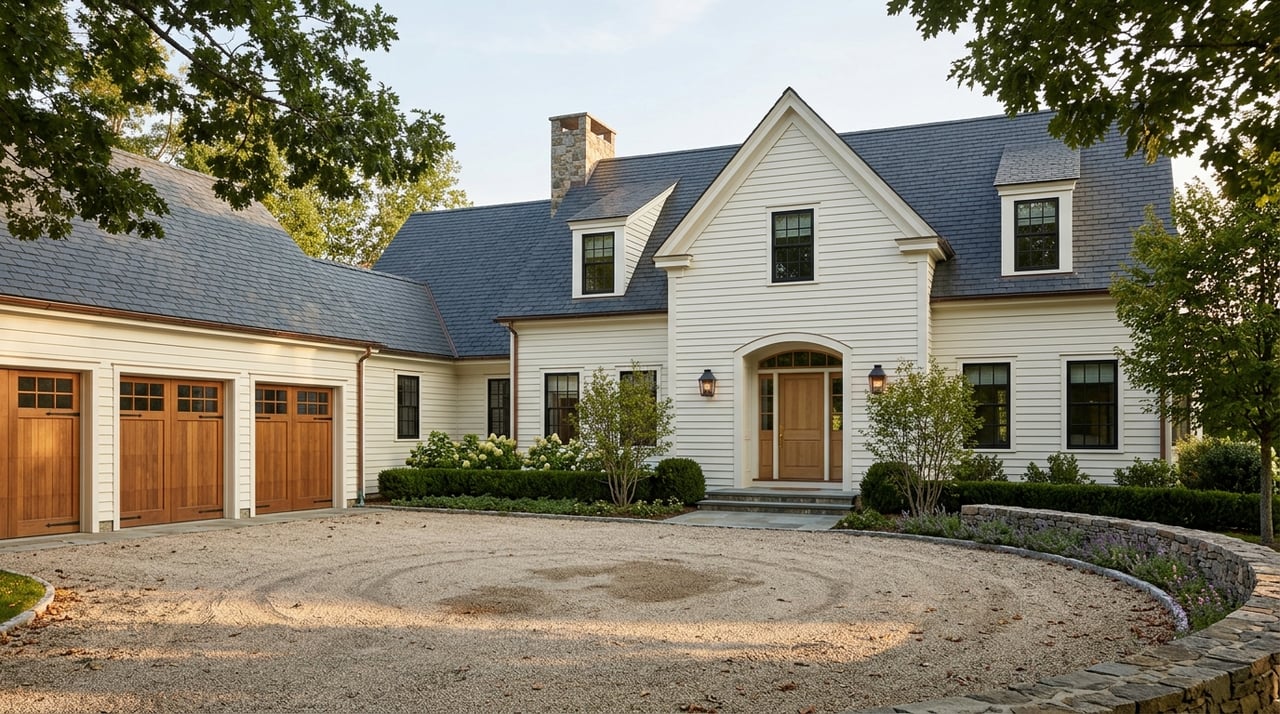
Selling a country estate in Millbrook is rarely as simple as putting a sign in the ground and waiting for the right buyer. When your property includes acreage, barns, guest space, private systems, or specialized land uses, buyers tend to look closer and ask better questions. If you want a smoother sale and stronger positioning from day one, it helps to prepare the estate as a complete offering before it ever reaches the market. Let’s dive in.
Start With the Correct Municipality
One of the biggest early mistakes sellers make is assuming a Millbrook mailing address means the property is governed by the Village of Millbrook. In reality, many properties with a Millbrook address are located outside the village, including in the Town of Washington or the Town of Union Vale. That makes your first step confirming exactly which municipality governs the parcel.
This matters because zoning, permits, accessory structure rules, and land-use questions can vary by jurisdiction. If your estate includes barns, detached buildings, paddocks, pools, or guest accommodations, you want to know which local rules apply before you market any feature. A clean, accurate property story builds confidence with buyers and helps avoid last-minute surprises.
Price the Estate as a Unique Property
County market data can give useful context, but it should not drive pricing for a country estate on its own. Pattern for Progress reported a 2025 Dutchess County median sale price of $465,000, up 3.3% from 2024, with 2,483 closed sales and 525 new listings. That backdrop is helpful, but it is not a substitute for estate-specific comparable sales.
In Millbrook, value often comes from a mix of acreage, privacy, improvements, condition, setting, and specialized features. The area also has a long equestrian tradition in Dutchess County, which can make barns, paddocks, and riding facilities meaningful value drivers for the right buyer. That means your pricing strategy should reflect the full property, not just the main house.
Prepare the Grounds Like the Interior
On a country estate, the land is part of the product. Buyers are not only evaluating square footage and finishes. They are also reacting to the drive in, the approach to the house, the condition of fencing, the usefulness of outbuildings, and how the acreage feels as they move through it.
That is why pre-listing preparation should cover the full estate. Decluttering, deep cleaning, repairs, and staging still matter, but the same level of care should extend to gates, entry drives, sheds, guesthouses, garages, barns, and landscaped areas. A polished first impression helps buyers understand the estate’s value before they get into the details.
Focus on High-Impact Exterior Work
Before photography or showings, pay attention to the features buyers will notice first:
- Refresh the entry sequence, including gates, gravel, paving, and signage
- Mow and trim consistently across the most visible acreage
- Repair damaged fencing, barn doors, latches, and visible exterior hardware
- Clear storage clutter from outbuildings and utility areas
- Clean patios, pool surrounds, walkways, and exterior lighting
- Present gardens, paddocks, and lawn areas in a neat, intentional way
You do not need to make the estate look artificial. You do want it to feel maintained, functional, and ready for the next owner.
Gather Records for Outbuildings and Improvements
Large properties often include features that need more documentation than a typical suburban home. If your property is in the Village of Millbrook, accessory structures are separately regulated, and some uses such as boarding stables and riding schools may require special permits in certain districts. Agriculture is permitted in some rural districts.
Before listing, gather the records tied to major improvements and auxiliary structures. That may include permits, certificates of occupancy, renovation records, and supporting paperwork for barns, garages, detached accessory apartments, pools, arenas, or other specialty features. The easier it is to verify what exists and how it has been used, the easier it is for buyers to move forward with confidence.
Test Well Water and Inspect Septic Early
Private systems deserve early attention on rural estates. Dutchess County states that monitoring private wells is the homeowner’s responsibility and recommends testing through a New York State-approved lab. If a buyer discovers a water-quality issue or septic concern during contract due diligence, the transaction can slow down quickly.
Getting ahead of these issues is usually the smarter move. A well test and septic inspection before launch can help you identify concerns early, decide whether to make repairs, and present the property with clearer information. In qualifying locations, Dutchess County’s septic replacement fund may reimburse up to 50% of eligible septic project costs, up to $10,000.
Review Wetlands, Easements, and Agricultural Status
A beautiful estate may also come with land-use restrictions or environmental considerations that buyers will want to understand. New York State regulates freshwater wetlands and adjacent areas, and projects near protected streams, ponds, lakes, and wetlands may require permits. If your parcel includes or borders protected resources, that should be reviewed before marketing begins.
You should also check for conservation easements, since these are recorded with the deed and transfer to future owners. If the property benefits from agricultural assessment, it is important to understand what that applies to and whether a future land-use change could trigger recapture. In Dutchess County, agricultural assessment applies only to the land, not the homestead or buildings, and conversion away from agricultural use can create repayment obligations.
Documents Worth Organizing Early
A well-prepared seller package can reduce friction later. Consider organizing:
- Survey and acreage map
- Tax and assessment records
- Permit and certificate files
- Easement summaries
- Improvement and renovation history
- Well testing results
- Septic inspection or service records
- Records related to barns or specialty structures
These materials can also be useful for appraisals, inspections, and buyer financing conversations.
Plan a Strong Visual Launch
Premium media matters even more when the property’s value is tied to land, setting, and layout. According to the 2025 staging findings cited in the research, 29% of agents saw a 1% to 10% increase in offered value from staging, and 49% saw reduced time on market. The same findings noted that photos and videos are especially important in listings.
For a Millbrook country estate, visual marketing should help buyers understand the whole experience of the property. That often means showing the drive, the relation between the house and outbuildings, the shape of the land, and the privacy of the setting. Strong visuals help tell that story quickly and clearly.
Why Aerial Media Matters
For multi-acre properties, drone and aerial media can be especially valuable. They can show topography, field layout, paddocks, trails, water features, and the overall relationship of improvements across the parcel. That perspective is hard to communicate with ground-level photography alone.
Commercial drone work does come with FAA rules, including operating limits under Part 107. In practice, that means using a licensed and insured drone operator is not just a nice extra. It is a smart part of a professional launch plan.
Time the Listing Around Presentation
National reporting identified April 12 through 18 as the best week to sell in 2026 based on demand, pricing, and market pace. While every property and seller timeline is different, the broader point is useful for Millbrook estates: launch timing should support how the property looks and feels.
Spring can be especially effective when landscaping, lawns, trees, and open acreage are central to the appeal. Greener grounds and better natural light can improve photography and showings. If your estate shines in a different season, the right timing may vary, but the principle stays the same: list when the property presents at its best.
Decide How Public You Want the Sale To Be
Luxury and estate sellers often weigh exposure against privacy. A broader listing strategy can help reach the deepest pool of qualified buyers. A more limited strategy may better support discretion, especially for high-profile owners or unique properties.
Sellers can choose not to list on an MLS, but if they make that choice, they must sign documentation confirming it. The right approach depends on your goals, your timeline, and how much visibility you want during the launch. This is one of the most important strategy decisions to make before the property goes live.
Prepare for Deeper Inspections
Country estates usually face broader buyer due diligence than standard homes. Inspections may cover structure, roof, exterior, plumbing, electrical, HVAC, interiors, insulation, ventilation, fireplaces, and potential health hazards such as mold, radon, lead paint, and asbestos. On larger properties, buyers may also scrutinize detached structures and site conditions more carefully.
That is one reason a pre-listing inspection can be helpful. If you uncover issues early, you have more control over repairs, pricing, and disclosure conversations. A repair file with invoices and service records can also make negotiations more straightforward.
Anticipate Appraisal and Financing Questions
Even in the luxury market, appraisals matter because lenders use them to confirm that the contract price is supported by market value. For a unique property, this can become a pressure point if the estate has few true comparable sales. That is why preparation matters so much.
A well-documented property helps support the value story. Surveys, maps, permits, improvement records, easement information, and records for barns or other specialized structures can all help explain the estate more clearly to appraisers and lenders. When the property is unusual, the file should be stronger.
Organize Tax and Assessment Information
Buyers of larger properties often want a clear picture of carrying costs before they commit. In New York, property tax is local, assessments are set locally by assessors, and taxes are based on assessed value. Having organized tax records can make those conversations easier.
If the estate includes agricultural assessment, be ready to explain what portion of the property qualifies and what does not. Since agricultural assessment applies only to the land, not the homestead or buildings, buyers should understand how that affects the tax picture. Clear documentation helps prevent confusion late in the process.
A Better Sale Starts Before the Listing
The strongest estate launches usually begin well before professional photos are scheduled. When you confirm the governing municipality, organize the paperwork, prepare the grounds, test private systems, and think carefully about pricing and privacy, you give yourself more control over the outcome. That preparation can reduce delays, support value, and create a smoother path from launch to closing.
If you are thinking about selling a country estate in Millbrook, the right strategy is rarely one-size-fits-all. A property with acreage, barns, outbuildings, or specialized land use needs a tailored plan built around the land, the improvements, and the buyer likely to value them most. To schedule a consultation, connect with The Garay Team.
FAQs
What should you do first when selling a country estate in Millbrook?
- First, confirm which municipality governs the property, since a Millbrook mailing address may place the parcel in the Village of Millbrook, the Town of Washington, or the Town of Union Vale.
Why are barns and outbuildings important when selling a Millbrook estate?
- Barns, paddocks, garages, guesthouses, and other outbuildings can be meaningful value drivers, so they should be prepared, photographed, and documented as carefully as the main house.
Should you test a private well before listing a Millbrook country property?
- Yes, Dutchess County says private well monitoring is the homeowner’s responsibility, so testing early can help uncover issues before a buyer does.
What land-use issues should Millbrook estate sellers review before listing?
- You should review wetlands, protected water features, conservation easements, and any agricultural assessment status before going to market.
How should you price a country estate in Millbrook?
- Pricing should be based on estate-specific comparable sales and factors like acreage, condition, privacy, and improvements rather than county median price data alone.
What marketing works best for a large estate in Millbrook?
- Premium photography, video, and aerial media are especially effective because they help buyers understand the setting, land, and full layout of a multi-acre property.
